Get in touch with Tengyang Company

Hot melt materials
/
Quotation inputs
Peel Strength: Geometry, Units and Report Interpretation
An increased peel value will also only work for you if you know it represents what has been tested. Read the specimen, method and graph then select the laminate adhesive film.
- 01 Test geometry
- 02 Units and calculation
- 03 Failure and curves
SPEC-01
Material choices
We supply TPU, EVA, PA, PES and PO hot melt adhesive materials.
SPEC-02
Application fit
We support bonding applications in garments, footwear, automotive interiors and industrial laminates.
SPEC-03
Custom requirements
We offer customization of thickness, width, melting point, color and application formulations.
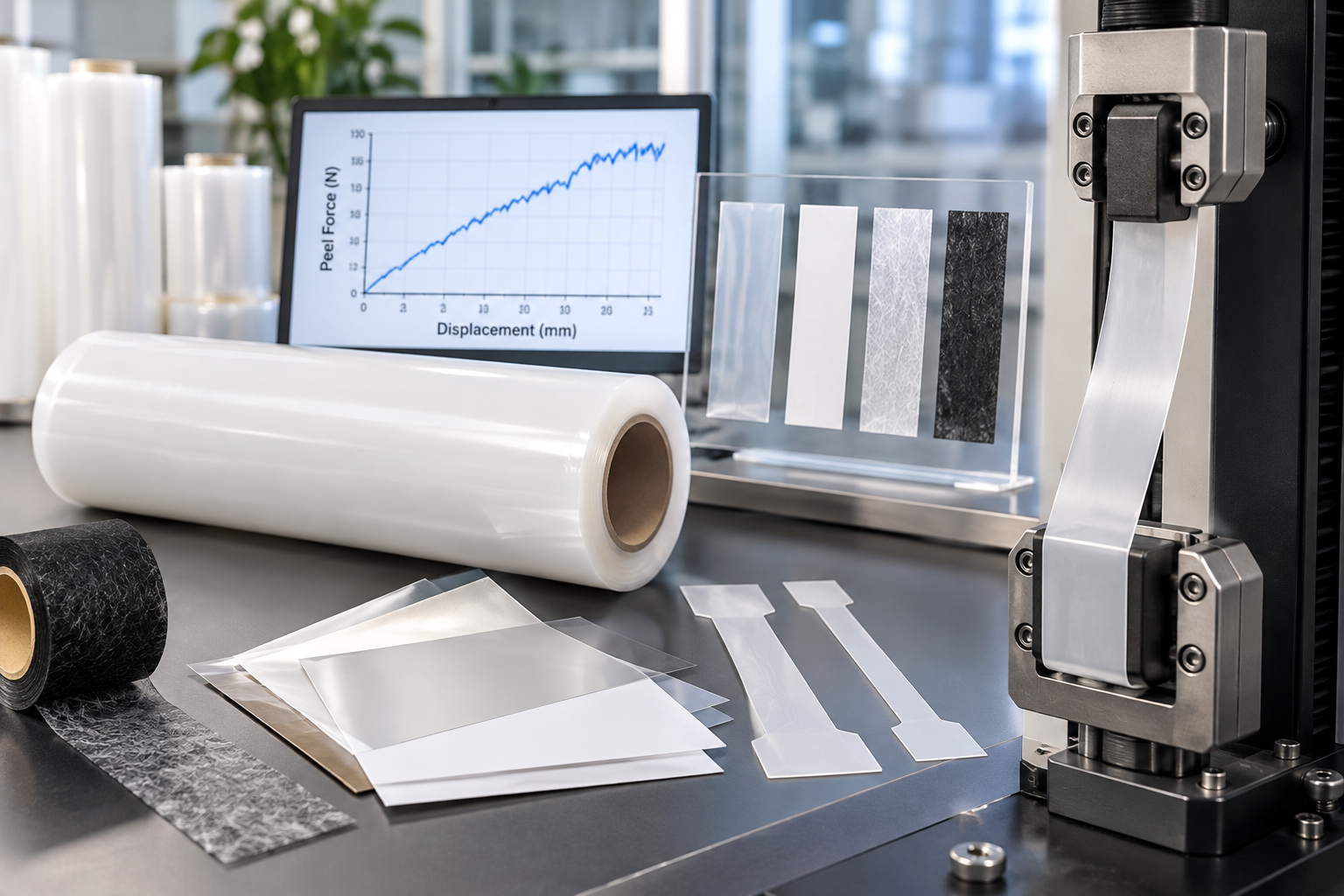
ANALYSIS PARAMETER
Hot melt materials
We supply TPU, EVA, PA, PES and PO hot melt adhesive materials.
Peel Strength Reports for Adhesive Selection
Peel strength reports describe a bonded system under specified test conditions. The reported result often expresses the force needed to continue separation divided by specimen width; it is not a standalone rating of a polymer family. ASTM D903 limits its comparative method to defined specimens, pretreatment, temperature and machine speed.
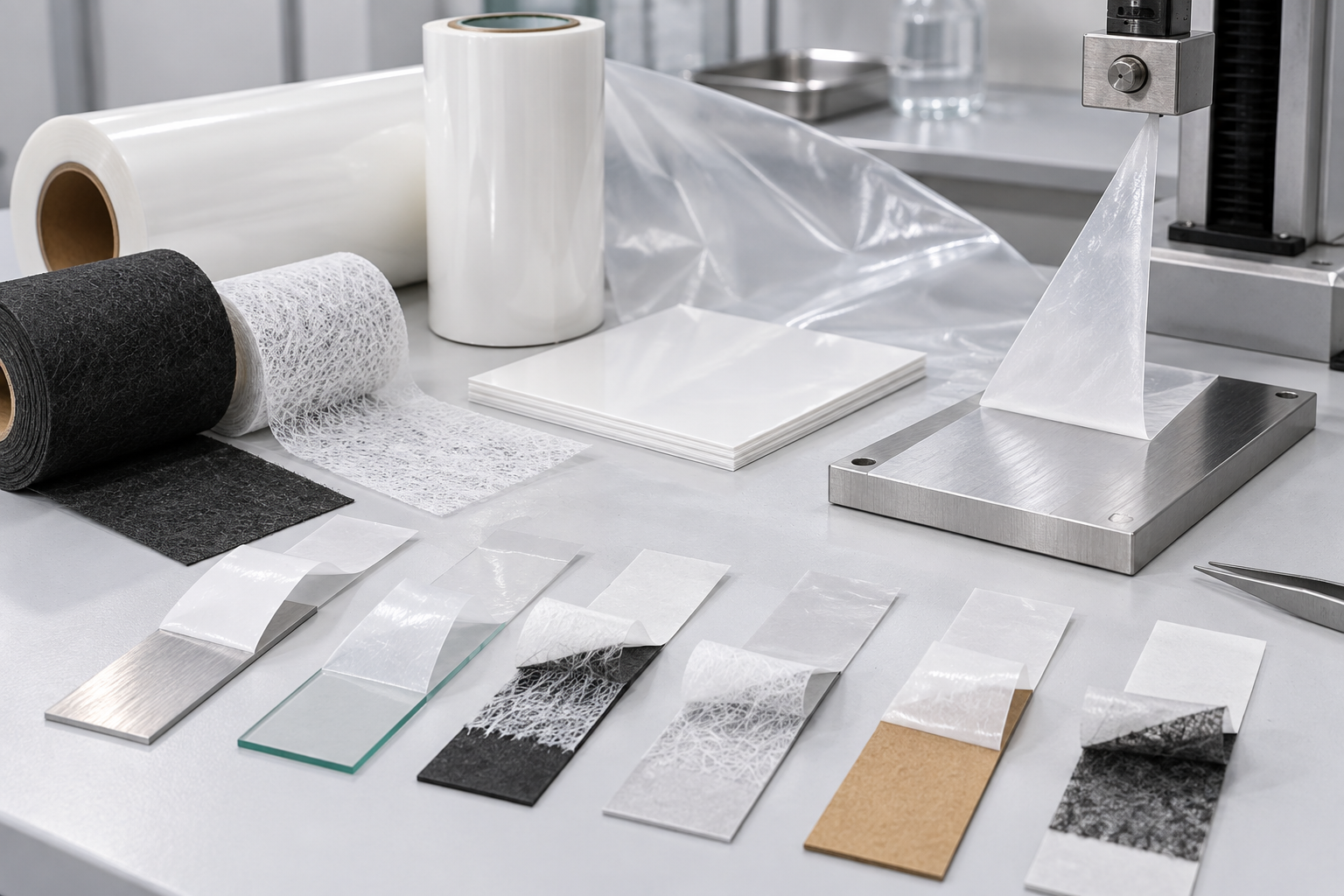
TARGET: Peel Test Diagram
Use the checklist to find missing information. Completing all seven fields does not establish equivalence between methods or produce a design allowable. ISO 11339 expressly excludes design information from its T-peel procedure.
Open the printable report checklist →
Seven-Field Peel Report Check
FLD / 01
Materials and peel arms
State the two substrates, their coatings and thicknesses and any relevant stiffness or stretch.
FLD / 02
Method and dimensions
Notation standard and version, dimensions geometry, bonding dimension along bonding and width.
FLD / 03
Specimen history
Note surface preparation, amount or thickness of adhesive, lamination conditions and direction of production.
FLD / 04
Loading
State the indicated test speed and the way in which the specimen is supported.
FLD / 05
Environment & timing
Use the chart on the packaging or where to conduct test temperature/humidity/ time since bonding.
FLD / 06
Statistics
Define what to highlight i.e. max, mean, and the value within which this has been computed.
FLD / 07
Failure location
Illustrate the site of detachment, along with its developments on the specimen.
Peel Test Geometry and Specimen Compatibility
Flex fabric joined to another flex layer will test differently than film stripped off a hard plate. Make your match prior to the test comparison. 90, 180, & T peel are merely different methods, not comparative scales of measurement of adhesion strength.
Geometry and the comparison question
90 Degree Peel
GEOM-01
Specimen relationship
A flexible arm peels from a supported substrate at a nominal right angle.
What to check in the report
How the angle is maintained as the peel front moves; substrate support and flexibility.
180 Degree Peel
GEOM-02
Specimen relationship
The flexible arm folds back over the bonded portion.
What to check in the report
Whether the arm bends and stretches similarly; backing thickness and the stated method.
T-Peel Test
GEOM-03
Specimen relationship
Two flexible arms separate in a T-shaped arrangement.
What to check in the report
Properties of both arms, alignment and the method used for evaluating resistance.
The peel arm is part of the measurement
Energy can be lost to deform peel arms just as to break bond in practice. Accordingly this change will result into different value of resistance compared to the one when both is the same. One needs appropriate method to analyse based on material type geometry type condition of load appliedetc.
Do not multiply a 90° result by a fixed factor to predict a 180° or T-peel result.
Do not treat a monofilament, textured fabric and flat film as equivalent specimens simply because each can bend.
For a modified specimen shape, record the modification and ask the testing team what comparison remains defensible.
You can explore relative behavior for a new formulation in a common set of fixtures but not make an unproven specimen shape a standard test. Take the actual layering into the discussion for the materials used.
Peel Load, Width and Reported Units
A supplier comparison can go wrong before the material is even selected because a load vs. width-normalized results are answering different questions. Peel load is a force in newtons. Peel strength units are a force per width when the test reports that parameter. Verify if the lab reports an initial peak, average force or average force per width.
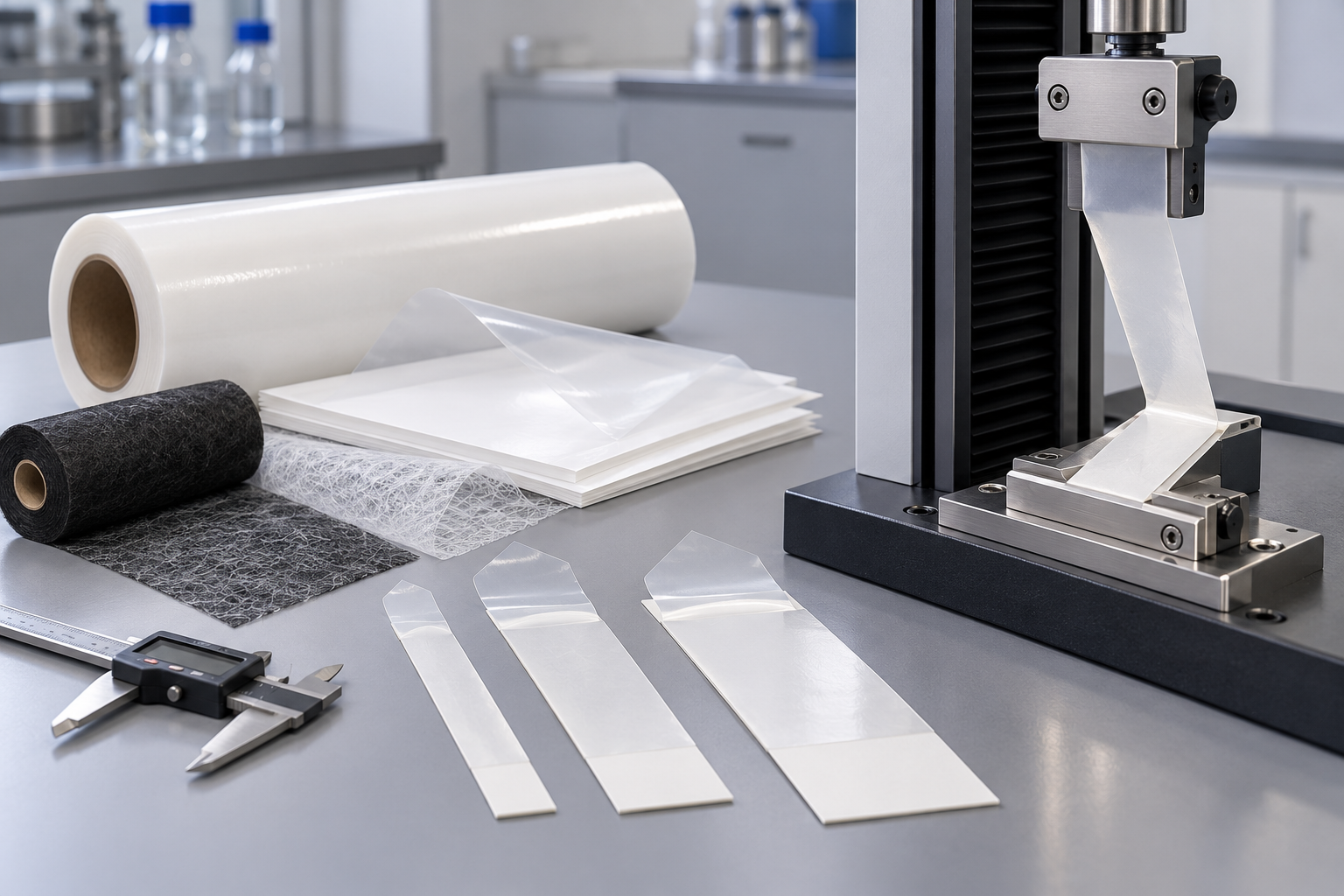
Peel strength formula for width normalization
Reported force per width = stated force statistic ÷ specimen width
Use the statistic and interval specified by the method. Dividing a maximum load by width does not turn it into an average peel value.
Equivalent expressions of 1 N/mm
- N/mm = 1Newtons per millimeter of width
- N/cm = 10Newtons per centimeter of width
- N/25 mm = 25Newtons per 25 millimeters of width
- N/in = 25.4Newtons per inch of width
- lbf/in ≈ 5.71Pound-force per inch of width
- N/m = 1,000Newtons per meter of width
An inch is exactly 25.4 mm so N/in and N/25 mm are approximately equal. The factor for pound-force above uses truncated NIST factors; when read in a report make sure a “lb” refers to force, not mass. [5]
Report A Parameter
30 N ÷ 25 mm = 1.2 N/mm
Report B Parameter
40 N ÷ 50 mm = 0.8 N/mm
Next check
Compare method, construction and statistics before interpreting the difference.
The illustrative values have been obtained using pure arithmetic calculations: they were not measured on an experiment and do not allow determining the impact that modifying specimen width will have on physical results.
N/mm is not MPa. Force divided by width and force divided by area are different quantities. Unit normalization is not a substitute for a mechanical model: it cannot turn a peel report into a tensile or shear stress allowable.
Failure Modes and Curve Interpretation
The peel strength data require along the numbers a description of the failure modes, since “pull-off” at a bond-substrate or material boundary and “rupture” of substrate or cohesive failure are responding to entirely different questions. ISO 10365 gives an overview over designations of typical failures on bonded products.
DATA EVALUATION INTERVAL
NIST COMPLIANT
DATALOG
Record the observed separation
What the result describes
Separation between the adhesive and a bonded surface.
Useful follow-up
Record which surface; inspect preparation, coating and wetting conditions.
What the result describes
Fracture within the adhesive material.
Useful follow-up
Record the location and distribution of residue on both sides.
What the result describes
The construction fails within a substrate or one of its layers.
Useful follow-up
Do not label that value a direct measurement of interface adhesion.
What the result describes
More than one separation mechanism contributes.
Useful follow-up
Retain photographs and relate each region to the force curve.
Initial peak, average and scatter
The initial peak and continued-peel average are not interchangeable. A fluctuating curve needs an evaluation interval because averaging one region can conceal a problem elsewhere, even when the specimen has not changed. NIST’s peel research demonstrates why force fluctuations, averaging length and uncertainty deserve separate attention.
-
SEC-01
Ask which portion of the curve was included and how the starting region was handled.
-
SEC-02
Keep individual specimen results and the reported spread alongside the group average.
-
SEC-03
If the curve never reaches the expected propagation behavior, resolve the test interpretation before ranking materials.
-
SEC-04
Higher points recorded on one strip do not mean more, separately created specimens. In the context of evaluation of your supplier, pose to yourself what was repeated? Data collecting? Sample preparation? Material batch? Whole bonding process?
Tengyang Hot Melt Adhesive Options
We manufacture hot melt adhesive materials for industrial bonding. We supply film, web, powder and granules, with TPU, EVA, PA, PES and PO options. Start with the substrate combination and processing requirements so we can discuss a suitable material and form.
Material discussions to open with Tengyang
What we supply
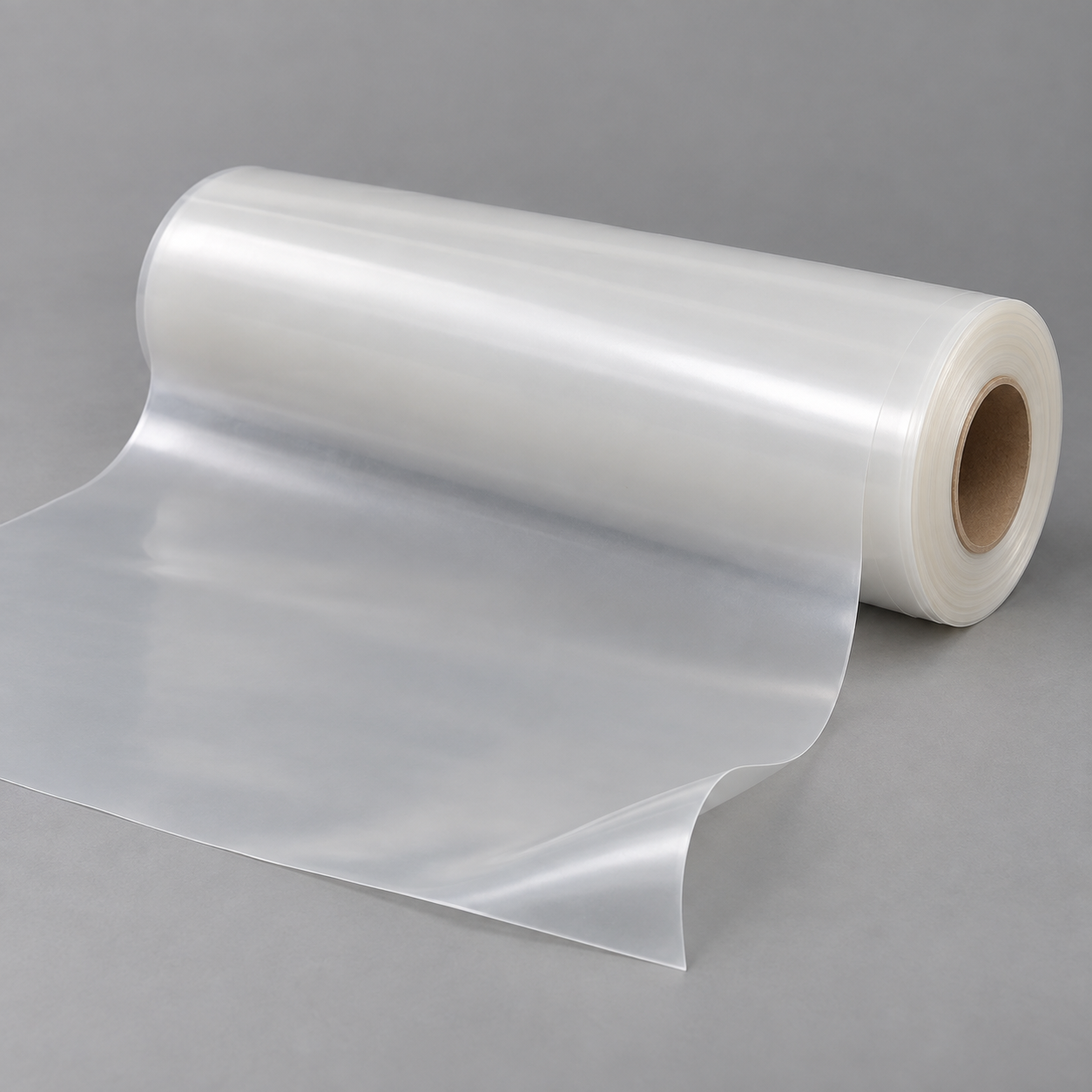
Thermoplastic polyurethane hot melt adhesive materials
Information to bring
Substrate stretch, recovery and intended bonding construction
What we supply
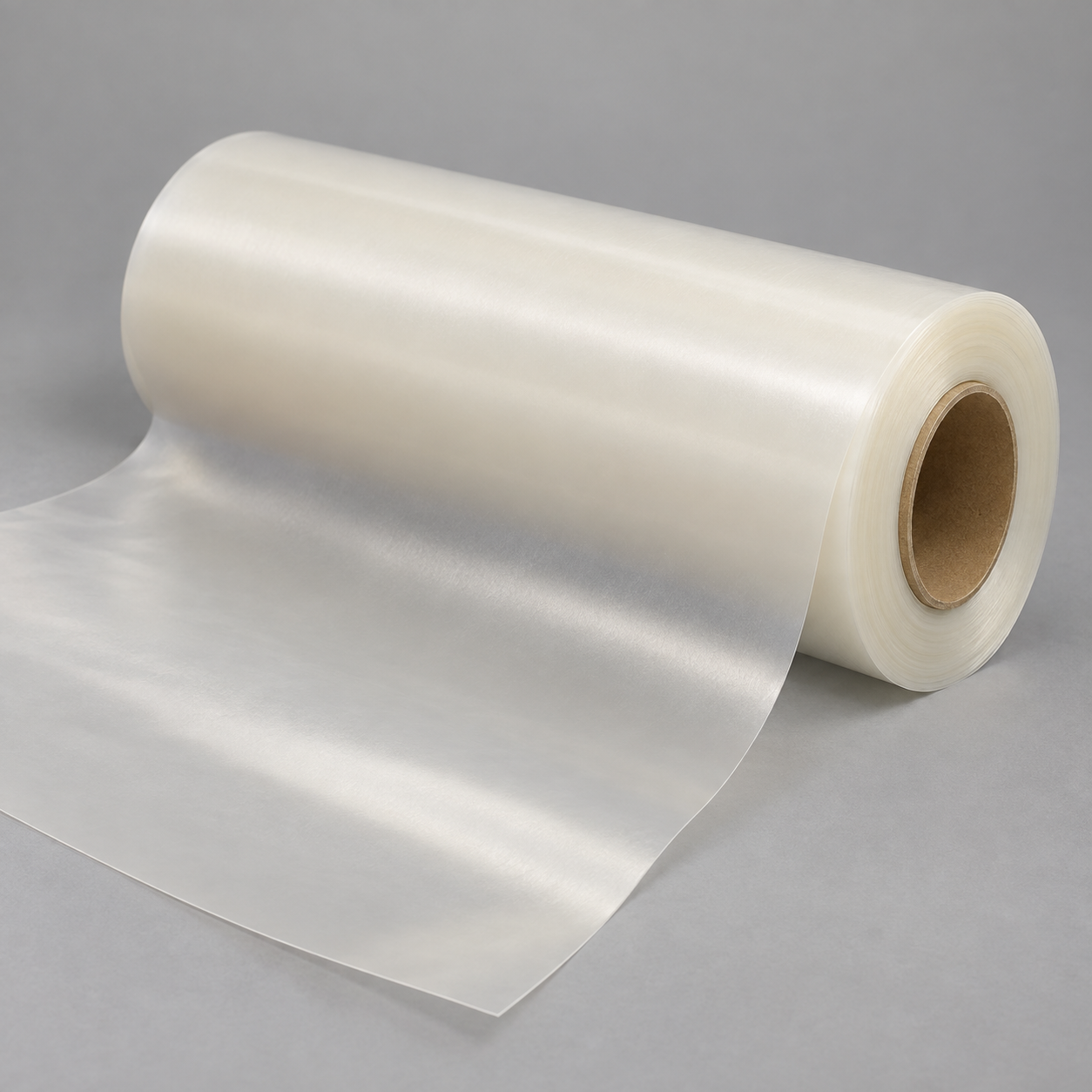
Ethylene-vinyl acetate hot melt adhesive materials
Information to bring
Substrate pair, heat sensitivity and production requirements
What we supply
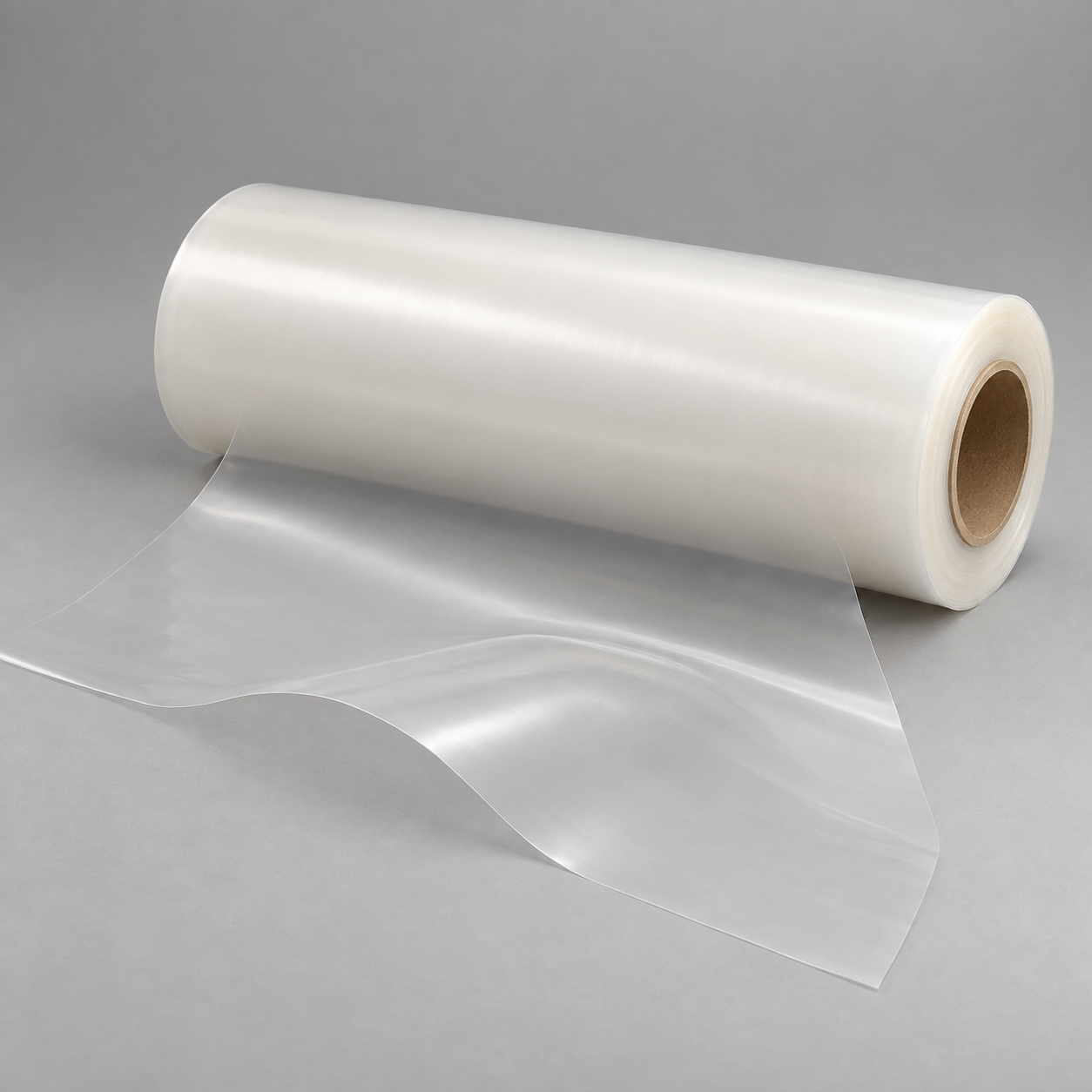
Polyamide hot melt adhesive materials
Information to bring
Service exposure and the cleaning or washing evaluation required
What we supply
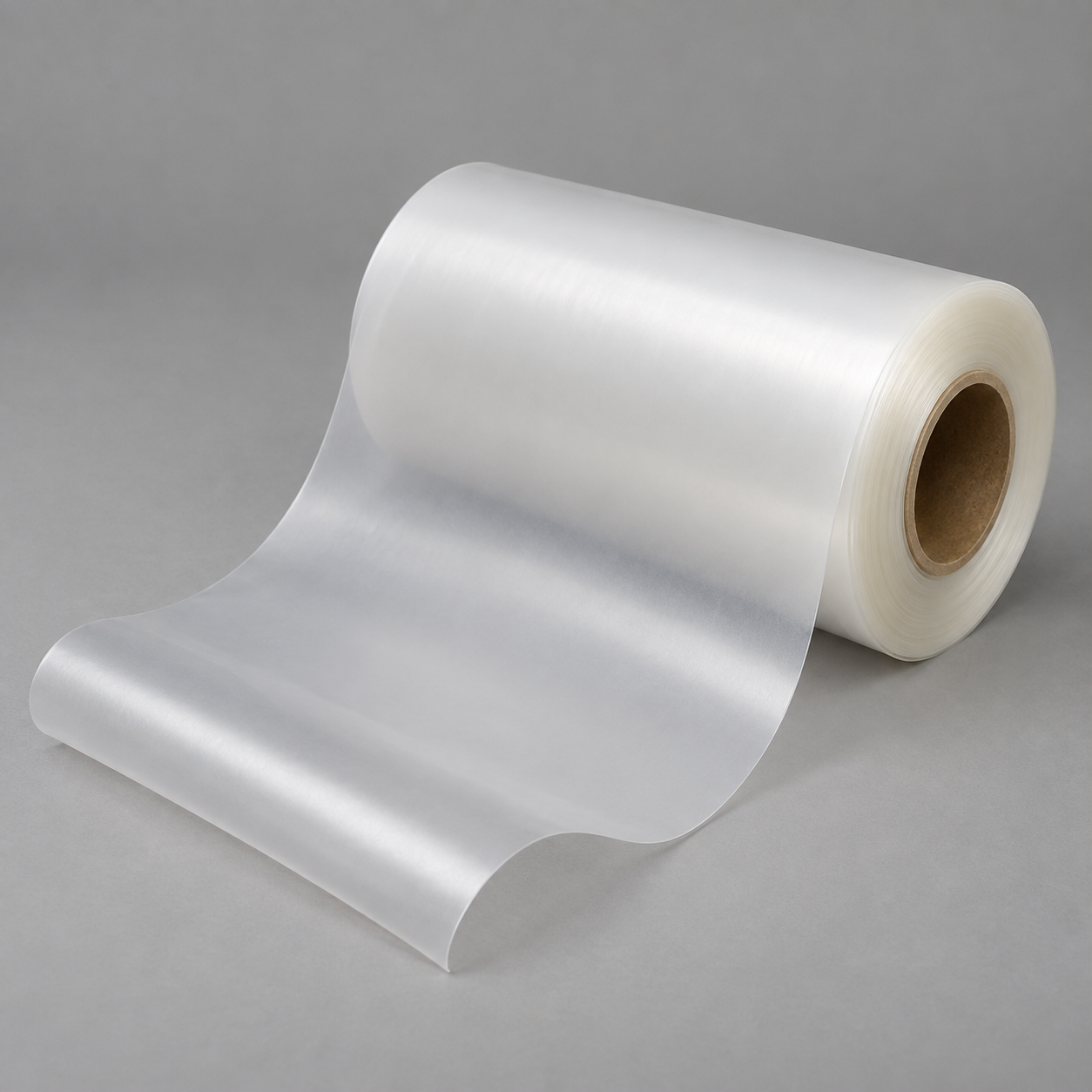
Copolyester hot melt adhesive materials
Information to bring
Fabric or laminate construction and processing window
What we supply
Polyolefin hot melt adhesive materials
Information to bring
Exact plastic or surface coating; confirm treatment and compatibility
Forms and customization
We offer film for buyers specifying a continuous adhesive layer.
We offer web for buyers considering a web-form adhesive construction.
We supply adhesive powder and granules for compatible application processes.
We customize thickness and width to the material requirement.
We support melting-point and color customization.
We offer application formulation customization and OEM support.
TPU film is known to be applied for the adhesion of textiles, non-wovens and foam. The application area specified in the information is guidance on an intended trial; this is not equivalent to a peel value for Tengyang material you are interested in using. Use values for particular grades within a particular construction as opposed to relative value among very disparate polymers referenced in unrelated technical data sheets.
“We provide customized bonding solutions with stable quality, technical support, and export-ready service.”
Comparable Reports and Material Trials
When changing film or formulation take a baseline: If there is no prior test history for the bond construction – just knowing the material designation by name alone cannot fully demonstrate why a similar bond was previously successful. You can record a processing history with the trial film or formulation to attempt further analysis.
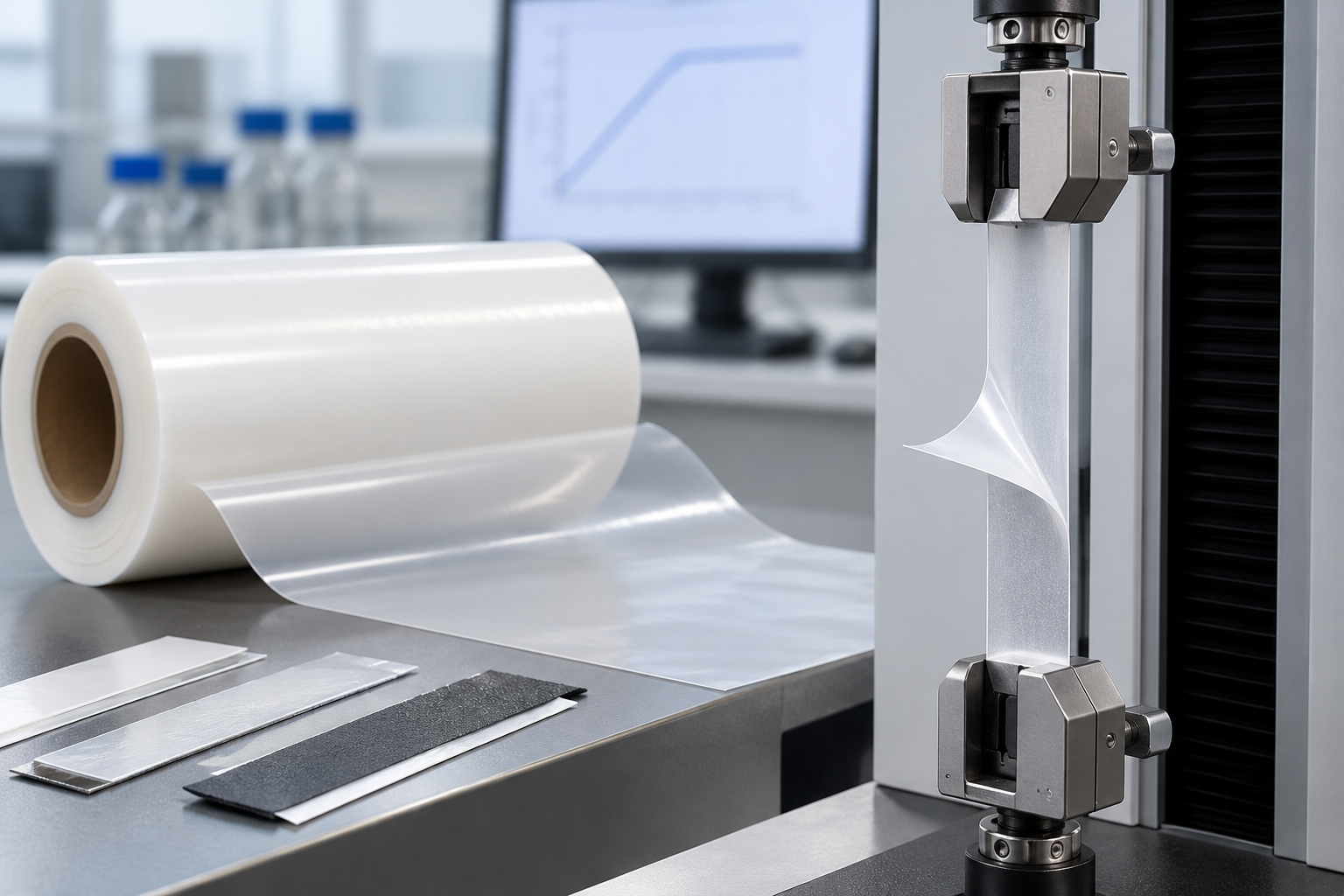
Garments and no-sew bonding
Identify the fabric, finish, stretch direction and required cleaning exposure. Record both peel behavior and whether the fabric distorts or tears.
Footwear and leather
Identify coated surfaces and the actual layer pair. Keep peel observations separate from any additional flexing or service evaluation.
Automotive and industrial laminates
Specify the service environment and complete stack. A room-temperature peel number is not a substitute for evaluation under that environment.
A trial record that can support a decision
Define
Agree on the application requirement, test method and acceptance criteria with the responsible engineering or quality team.
Document
Retain material identification, surface history, bond-line construction and lamination settings.
Compare
Use a consistent, justified test arrangement and record individual results, statistics and failure locations.
Review
Investigate unexplained differences before changing the production specification.
Material Requirements and Quotation
We formulate material quotations based roughly upon the specification required. Send us over the following information to provide for a meaningful comparison by ensuring a specification where width, thickness, form and yield is understood, rather than just a base roll price not reflective of producing an effective bonded part.
Material specification
- Substrates and surface finishes
- Film, web, powder or granules
- Dimensions or adhesive amount
- Color and other required properties
Production context
- Application equipment and settings
- Trial quantity and forecast usage
- Destination and desired delivery date
- Evaluation and documentation needs
Compare the offer
- Usable quantity and coverage basis
- Trial and processing requirements
- Expected handling and conversion steps
- Order-specific supply terms
Request confirmation of availability of samples, order volume, lead time and commercial terms for proposed material. If a lead time is required please state a preferred delivery date so that this can be discussed with the specification.
Peel Strength Technical Tools
TECHNICAL UTILITY
Peel Report Check
TECHNICAL UTILITY
Peel Trial Brief
TECHNICAL UTILITY
Peel Unit Converter
Peel Strength Questions for Material Buyers
What is a good peel strength value?
A useful target is tied to the application, method and acceptance criteria. There is no single value that qualifies all adhesive films or substrate pairs. Agree on the requirement before evaluating the results.
Can I compare results from different suppliers?
First check the quantity, specimen construction, preparation, conditioning, geometry, speed and statistical treatment. Ask for the individual results, curve interval and failure description as well as the summary value: a supplier reporting a starting peak and another reporting a continued-peel average have supplied different statistics, even if both use N/mm. If a field is missing or the methods differ, ask the testing teams what additional evidence would justify a comparison.
Is peel strength the same as shear strength?
No. Peel testing progressively separates a bonded construction; shear testing loads a joint in a different way. Their results and units should be interpreted according to their respective methods, not converted into one general “bond strength.”
Does a higher initial peak mean the adhesive is better?
It means the recorded starting force was higher under that test. The continued-peel response, failure location and application requirement may tell a different story. Compare the same defined statistic.
Does substrate tearing prove the interface strength?
It shows that the observed failure occurred in the substrate under those conditions. It does not provide a direct numerical measurement of the interface’s resistance to separation.
Does a T-peel result provide design data?
ISO 11339 states that its procedure does not provide design information. Use the test within its scope and obtain the application-specific analysis or qualification needed for the assembly.[2]
Are N/25 mm and N/in the same?
No: an inch is 25.4 mm, not 25 mm. Use the converter to normalize the units.
Which hot melt adhesive family should I request?
Send the exact substrates, surface condition, processing window and service requirements. We can discuss TPU, EVA, PA, PES or PO options; a polymer abbreviation by itself does not specify a qualified bond.
What should I send with a material inquiry?
Include the layer construction, requested adhesive form and dimensions, quantity, destination and desired schedule. Existing test reports are more useful when accompanied by specimen preparation details and failure photographs.