Get in touch with Tengyang Company

Viscoelasticity: Why Time and Temperature Matter
Viscoelasticity explains why a hot melt adhesive bond can look firm after pressing yet respond differently under a slower load, a warmer service condition, or a longer holding time. Tengyang uses that time-and-temperature view to screen hot melt adhesive films, webs, powders, and granules for your substrate pair and production route.
Process Parameters
Start with the actual substrate, bond-line temperature, dwell, pressure, cooling path, load, and service environment.
Commercial facts at a glance
Up to 20 days
Production schedule after order confirmation
T/T
Payment by wire transfer
01
PHASE 01 //
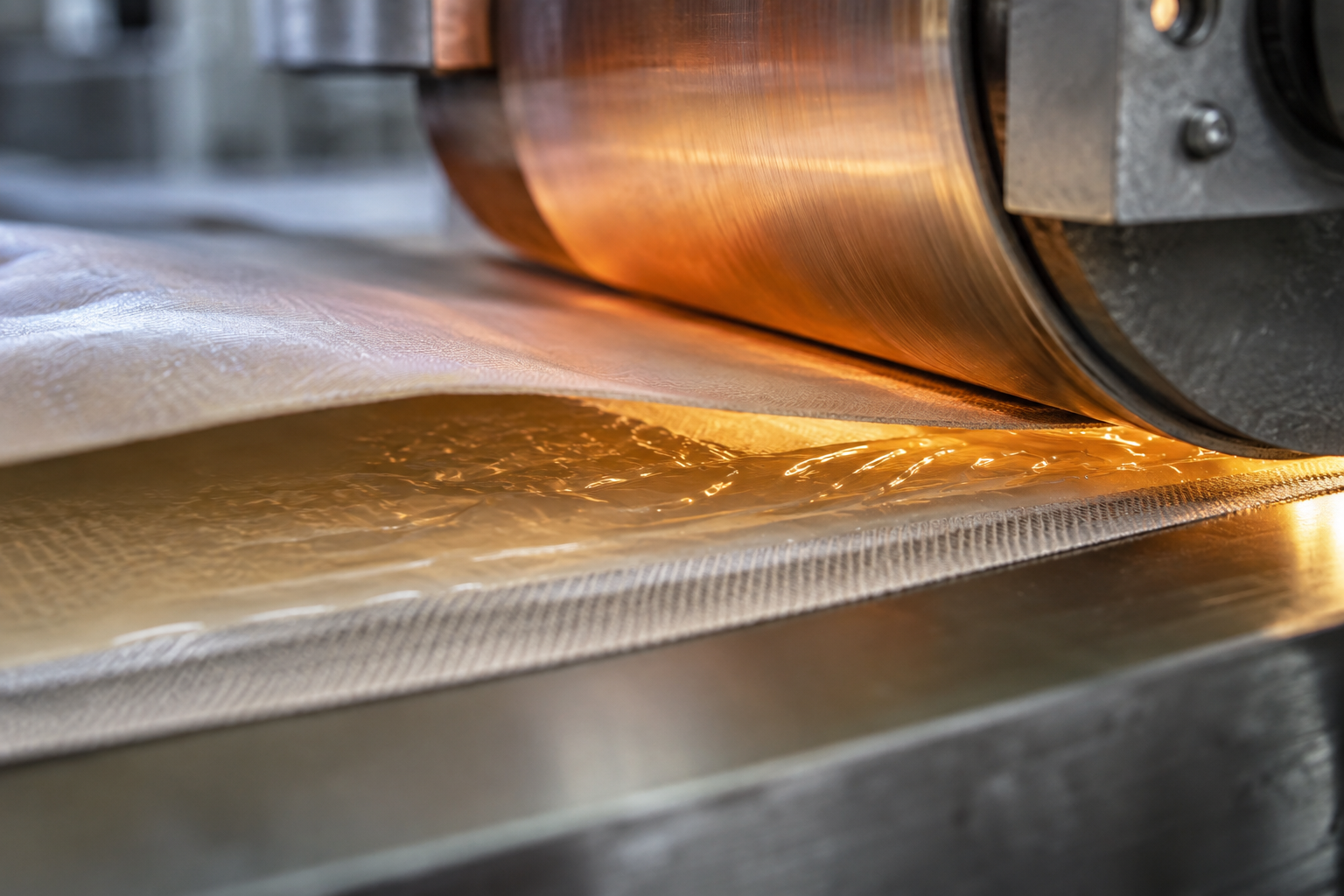
Heat increases molecular mobility and lowers resistance to flow, so check whether the adhesive reaches the interface before cooling starts. The molten adhesive must wet the substrate before cooling reduces mobility and restores a solid bond line.
02
PHASE 02 //
An instantaneous applied force and a sustained applied stress do not test the same response. Do not compare stiffness, deformation, peel behavior, or energy dissipation unless the stress or strain input and loading time are aligned.

03
PHASE 03 //
If constant stress is applied, creep describes the resulting strain growth; under constant strain, stress relaxation describes the reduction in stress. Both are time-dependent, so the acceptance test must name the load duration and high temperature that the joint will see.

01
SPECIFICATIONS
Storage modulus, loss modulus and the practical question
Storage modulus should be analysed alongside loss modulus because these elastic moduli separate recoverable elasticity from energy dissipation. During oscillatory testing, dynamic mechanical analysis can map elastic properties across different temperatures or frequencies, but it does not describe all properties of polymers in a complete joint. The purchase decision still requires testing with the real substrates, geometry, thickness, and load.
02
APPLICATIONS
Why familiar rubber behavior is not a grade selector
Rubber is a familiar viscoelastic reference and can damp motion, but choose a hot melt adhesive grade from the supplied formulation, substrate pair, bond geometry, and service test. Similar behavior at room temperature does not make two polymer systems interchangeable.
PROCESS / MAPPING
Time-temperature superposition is a map, not a guarantee
Before building a master curve, check whether the polymer behaves as thermorheologically simple across the selected temperatures; time-temperature superposition then shifts experimental data toward a reference temperature. The shift factor relates the response across temperature and time. Formulation changes, crystallization, moisture, or multiple transitions can break this simple correlation.
- VAR. 01 A master curve will define the time and temperature regions in need of direct testing.
- VAR. 02 Do not use a reference temperature to direct a press recipe.
- VAR. 03 Turning a short laboratory window into a service-life statement is also incorrect.
Tengyang Polymer Families and Selection Paths
We supply TPU, EVA, PA, PES, and PO hot melt adhesive materials, with film, web, powder, and granule options. A family name or melting point does not provide a complete press recipe because molecular weight, copolymer structure, additive package, thickness, and application-specific formulation can still change rheological and mechanical properties within that family. The wrong grade can pass an initial handling check and still miss the final service condition.
01 // TPU
TPU screening path
Start here when flexibility, repeated bending, soft laminates, or textile hand feel matter. Confirm the exact grade against the substrate pair, washing or moisture exposure, service temperature, and recovery after deformation.
CLICK TO FOCUS

02 // EVA
EVA screening path
Evaluate EVA where economical heat activation and broad converting familiarity are useful. Check heat exposure, stiffness, substrate surface, and final load rather than assuming every EVA formulation behaves alike.
CLICK TO FOCUS

03 // PA
PA screening path
Screen PA when the assembly needs a different balance of thermal response, adhesion, and chemical environment. Test moisture conditioning and the actual joint because water exposure can change adhesive-joint durability.
CLICK TO FOCUS

04 // PES
PES screening path
Use the PES route when copolyester chemistry fits the substrate and processing plan. Primary research shows that composition and architecture within copolyesters alter measured lap-shear behavior, so a PES label alone is not a performance value.
CLICK TO FOCUS

05 // PO
PO screening path
Consider PO for polyolefin-oriented substrate questions and low-surface-energy challenges. Surface preparation and intimate contact remain part of the trial because chemical family recognition does not remove the adhesion problem.
CLICK TO FOCUS

PROCESS. 01
Grade-level handoff
Send the two substrates, surface state, current process, target thickness, bond geometry, service load, and environment. We use those inputs to prepare a shortlist for testing rather than declare one universal winner.
PROCESS. 02
Family comparison buyers can hold us to
Each proposal ought to give the family of proposed materials, the target format, the thickness or width, trial activation conditions, cooling record, and an acceptance criterion. If a result changes, the record should show whether the material, process, specimen, or measurement condition changed.
Adhesive Formats and Lamination Routes
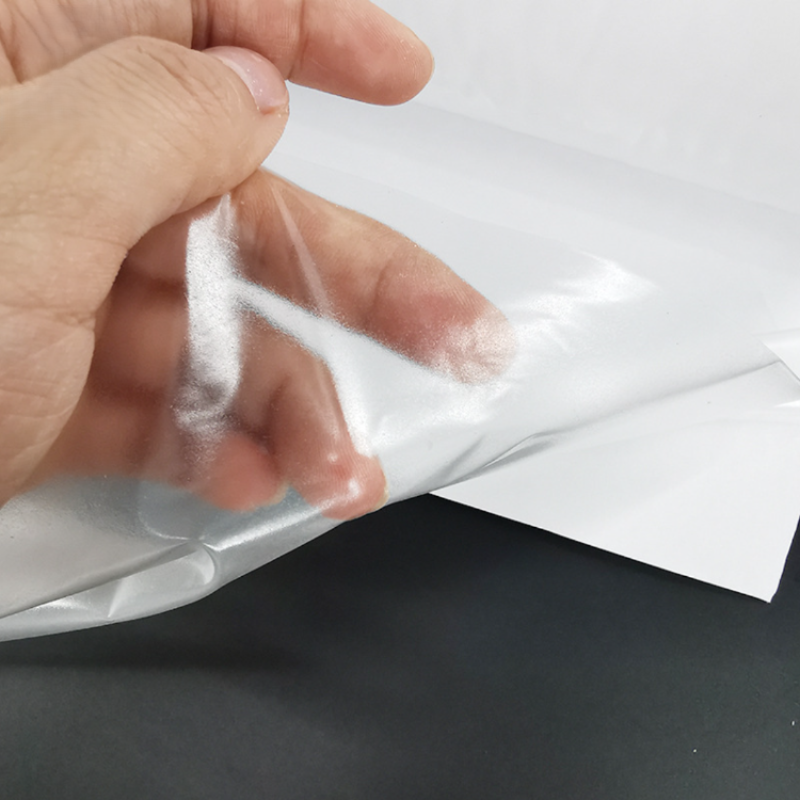
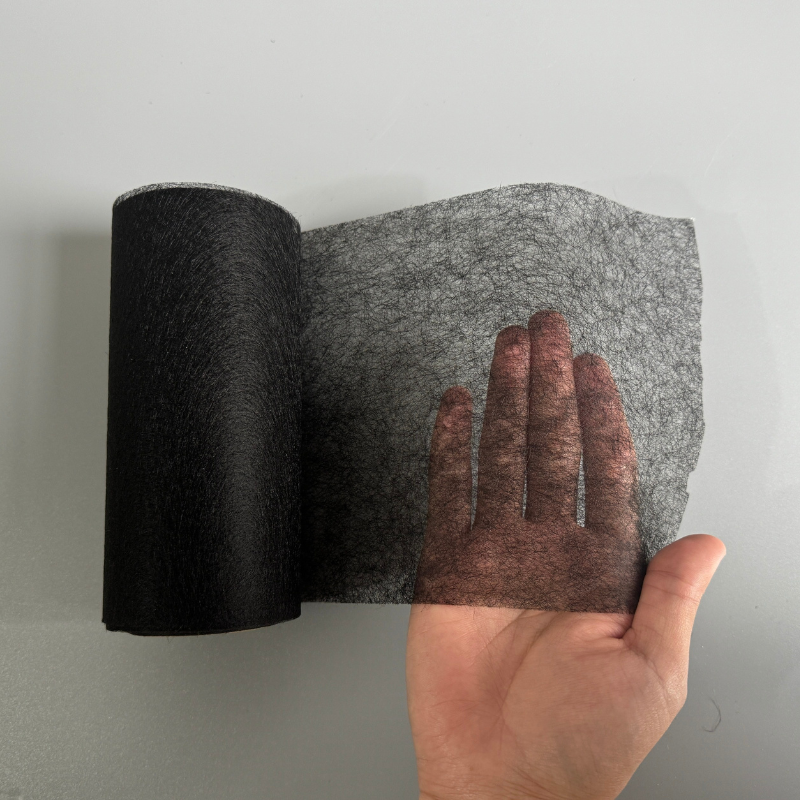
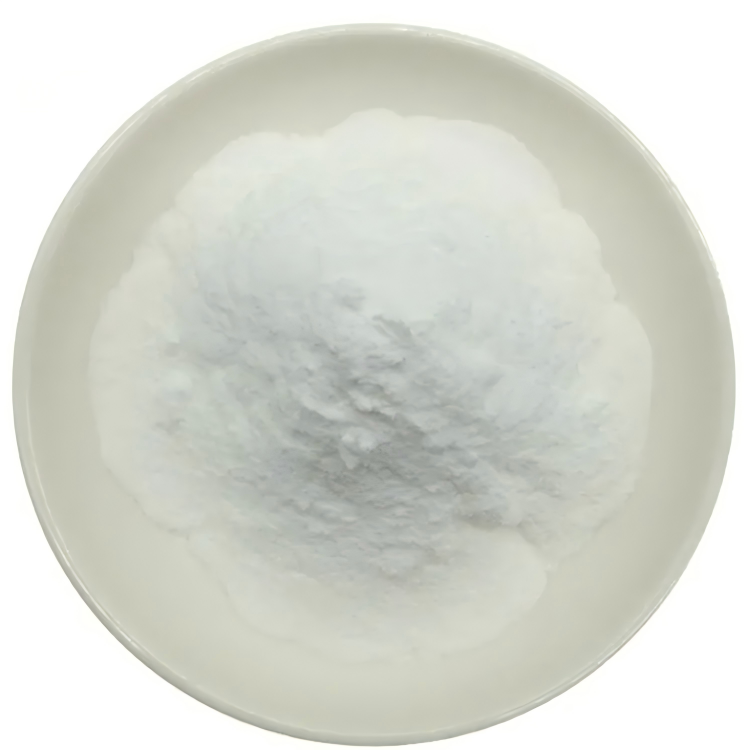
Tengyang supplies hot melt adhesive film, web, powder, and granule formats. The useful format is the one that places the required adhesive mass where your line can heat, mate, compress, and cool it with repeatable control.
FORMAT 01 // WEB ROLL
01
Film and web
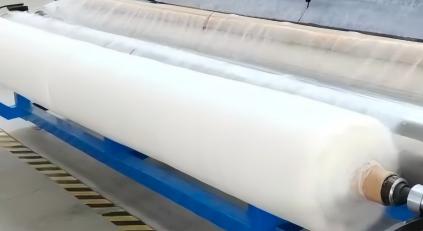
Film offers a continuous layer for clean placement and controlled coverage. Web introduces an open structure that can reduce continuous coverage and support air or softness requirements, subject to the chosen material and assembly trial.
- Specify release-liner need and handling direction.
- Record target width, thickness or basis requirement.
- Check edge behavior after heating and compression.
FORMAT 02 // POWDER
02
Powder and granule
Powder supports coating or scatter processes where distribution and melt consistency can be controlled. Granules suit melting and application equipment that meters the adhesive before it reaches the joint.
- Define particle or feed behavior through the chosen equipment.
- Separate storage condition from processing condition.
- Confirm the final coat or bond-line mass on the assembly.
PROCESS SEQUENCE
The lamination sequence that changes the answer
01
Condition and clean both substrates.
02
Place or meter the adhesive in the intended geometry.
03
Heat to the trial condition at the bond line, not merely to the machine display setting.
04
Join within the permissible time and apply controlled compression.
05
Hold the geometry during cooling to assess the initial handling strength.
06
Condition the specimens prior to the chosen peel, shear, flex, wash, heat, or moisture test.
TEST CONDITION
Why apparent viscosity needs a test condition
Across the adhesive industry, rheology data for adhesives and sealants require a named material, temperature, spindle, speed, and shear condition. ASTM D3236 measures apparent viscosity for hot melt adhesives under defined conditions and warns that low-shear results may not correlate with high-shear end use. High viscosity at one low-shear condition cannot be compared with another reading unless the test context is aligned.
SINOFUDE BONDING COMPASS
The Rate–Heat
Bonding Compass
The Rate and Heat Bonding Compass connects two questions: how quickly heat must mobilize the adhesive, and how long the cooled adhesive must resist stress at service temperature. It guides the first trial but does not replace substrate selection, formulation development, joint design, controlled conditioning, or failure investigation. A common mistake is to treat heat as a one-way control for bond strength, even though more heat does not always produce a stronger joint.
Fast process · cooler
Protect wet-out time
Watch incoming substrate temperature, heating uniformity, mating delay, and premature cooling.
Fast process · warmer
Separate activation
Confirm rapid contact formation, then test creep and recovery at the actual sustained load.
Slow process · cooler
Control residence
Check whether extra molten residence changes flow, squeeze-out, edge position, or substrate appearance.
Slow process · warmer
Challenge whole joint
Prioritize geometry, bond-line thickness, load duration, moisture, chemical exposure, and cooling history.
Twelve inputs for the first controlled trial
PAGE_01
01
Substrate pair
CAPTURE Both materials, coatings and side orientation
Wetting and interfacial chemistry begin at the exact surfaces
02
Surface preparation
CAPTURE Cleaning, abrasion, treatment & time
A contaminated surface can look like a material-grade failure
PAGE_02
03
Heating method
CAPTURE Platen, roller, oven route plus uniformity
Heat delivery changes the temperature history
04
Bond-line temp
CAPTURE Measured interface temp & sensor location
The machine setpoint may not reach the joint
PAGE_03
05
Time sequence
CAPTURE Residence, open, mating and dwell times
Relaxation time and cooling compete with wet-out
06
Compression
CAPTURE Pressure or force, area & application method
Insufficient compression prevents contact; excess causes damage
PAGE_04
07
Cooling
CAPTURE Cooling method, restraint and release point
Geometry can move before the solid state is restored
08
Adhesive dimensions
CAPTURE Format, thickness, width and placement
Bond-line volume affects flow and squeeze-out
PAGE_05
09
Joint geometry
CAPTURE Bond area, overlap, edge and peel path
Peel and shear stress are distributed differently
10
Service load
CAPTURE Magnitude, direction, duration and cycling
Constant stress and repeated load reveal different response
PAGE_06
11
Environment
CAPTURE Temp, water, humidity, chemicals, washing
Environmental attack can alter interface and polymer response
12
Acceptance
CAPTURE Conditioning, method, failure mode & criterion
A number without test context is not a release decision
Customization, Quote Inputs and Production Lead Time
Price follows the polymer or formulation, adhesive format, thickness, width, color, quantity, and shipping method. Send the substrate pair and process details with these dimensions so the recommendation and quotation refer to the same job. A wider process window or different format may change handling and cost, so compare reject risk and cleaning work within the same scope.
Customization scope
- TPU, EVA, PA, PES, and PO material paths
- Film, web, powder, and granule formats
- Thickness and width
- Melting-point target and color
- Application-specific formulation review
Commercial handoff
-
LEAD TIMEProduction runs are scheduled at up to 20 days after order confirmation.
-
PAYMENTPayment is T/T by wire transfer.
-
TERMSTransit, destination charges, and any special documentation are fixed in the written quotation.
Bronze process-economics card
Measure the change before claiming the return
Price comparisons lose meaning if width, thickness, formulation, quantity, or packaging changes. Compare material consumption, heating energy, handling steps, line speed, rejects, cleaning time, downtime, solvent-control work, and disposal waste within the same production scope to avoid a mismatched quotation. These inputs support a before-and-after comparison, but this page does not claim a fixed savings percentage, payback period, or throughput multiplier.
VALIDATION // 01
[ PROC. MODULE ]
Trial Validation and
Bonding Acceptance
A clean-looking laminate is not an accepted result because appearance does not identify the failure mechanism. Before assessing the first trial, define the specimen, conditioning, test geometry, load direction, rate, temperature, failure mode, and pass criterion. An initial peel is not a substitute for durability screening or laboratory ageing designed around relevant guidance such as ASTM D2918 and ISO 9142:2003.34
Moisture is a separate axis
Water in liquid or vapor form can penetrate adhesives and contribute to joint-strength loss and premature failure. Record substrate conditioning, edge exposure, humidity or immersion condition, and the interface where failure appears.
PHASE // 01-03
01
Initial bond formation
Check wet-out, edge position, visible squeeze-out, substrate marking, cooling restraint, and handling stability. Record whether failure is adhesive at an interface, cohesive within the bond line, or located in a substrate.
02
Repeatability
Repeat the same specimen and condition before changing another input. A formulation or process comparison only means something when geometry, rate, temperature, and measurement condition remain aligned.
03
Service challenge
Condition the joint for the actual heat, moisture, chemical, flexing, washing, peel, or sustained shear risk. Keep the unexposed reference beside the exposed specimens so the direction of change is visible.
Three standards that stop false precision
Organizes
Apparent viscosity under defined hot-melt test conditions
Does not prove
Automatic correlation from low shear to high-shear end use
Decision use
Keep temperature, spindle, speed, and shear context with the result
Organizes
Durability screening of T-peel adhesive joints under stress and environment
Does not prove
A context-free life value for another joint geometry
Decision use
Compare specimens under uniform stress, temperature, humidity, and exposure
Organizes
Selection of laboratory ageing conditions for bonded joints
Does not prove
A direct universal relationship to service life
Decision use
Build a relevant climatic or chemical exposure set
A compact pilot matrix
Baseline
Control: 1 material · 1 process condition · 1 substrate preparation
Observe: Wet-out, edge, appearance, handling and failure location
Establish the comparison reference
One-factor trial
Control: 1 input changes while the others stay fixed
Observe: Bond-line temperature, dwell, pressure or cooling response
Identify the direction without confounding changes
Repeatability
Control: At least 3 specimens per reported condition
Observe: Range, outlier, specimen variation and failure mode
Decide whether the observed direction repeats
Conditioning
Control: 1 unexposed reference plus each named exposure
Observe: Peel, shear, flex, appearance and interface change
Screen the intended environment
Production transfer
Control: 3 temperatures recorded: incoming, setting, bond line
Observe: Warm-up, steady state and restart behavior
Confirm that the line reproduces the laboratory condition
From Bonding Conditions to a Material Recommendation
Although buyers need a quick recommendation, they also need an auditable one. The Tengyang recommendation process begins with your assembly and continues through sample evaluation, quotation, and production confirmation. This reduces handoff gaps between user and supplier and minimizes inconsistent conditions that could turn a material trial into a process problem.
REQUIREMENTS
What to send in the first message
- Photos or drawings of both substrates and the joint
- Current adhesive and current failure symptom, if replacing a process
- Heating equipment and the condition actually measured at the bond line
- Target width, thickness, quantity and sample size
- Service temperature, load, duration, moisture and chemical exposure
- Acceptance method and the date the material is needed
TENGYANG PROCESS FLOW
01
Describe the assembly
Send the substrate pair, surface state, joint geometry, adhesive placement, target thickness or width, and any appearance or flexibility constraint.
02
Map the process
Give the heating method, machine setting, measured bond-line temperature if available, residence, mating, dwell, compression, cooling, and line-speed limits.
03
Define service
Name load magnitude and direction, duration, temperature, humidity, water, chemicals, washing, flexing, storage, and expected failure concerns.
06
Confirm the order
The quotation fixes material scope, dimensions, color or formulation requirement, quantity, packaging, production schedule, payment, and requested documentation.
05
Record acceptance
Your team tests the chosen specimens under a named method and condition. Tengyang reviews the result by failure mode instead of relying on a single unqualified bond strength figure.
04
Screen materials
Tengyang shortlists the appropriate TPU, EVA, PA, PES, or PO direction and the suitable film, web, powder, or granule format for controlled trials.
When Hot Melt Adhesive Film Is Not the Right Fit
Hot melt adhesive film is not the default answer for every joint. Choose another bonding or fastening route when the process cannot create reliable contact, when the service condition keeps the thermoplastic bond line too mobile, or when the assembly requires a reaction or structure that this material cannot provide. A higher press setting is not always the answer.
01
Insufficient heat access
Deep, highly insulating, or uneven assemblies may not bring the bond line into a controlled activation window without damaging the outer substrate. The machine display alone cannot close that uncertainty.
02
Unacceptable service creep
If a joint carries sustained shear, peel, or high-temperature load, it can expose time-dependent deformation. If conditioned creep or stress relaxation exceeds the acceptance criterion, change the material, geometry, load path, or joining method.
03
Surface incompatibility
Low-surface-energy, contaminated, plasticized, coated, or chemically exposed surfaces may resist stable wet-out or lose adhesion over time. Surface treatment can be tested, but it should not be assumed to rescue every interface.
04
Excessive squeeze-out or marking
More compression is not automatically better. A soft substrate, narrow bond, decorative face, or low-viscosity molten state can create edge bleed, indentation, distortion, or inconsistent bond-line thickness.
05
Required repositionability
A heat-activated film is a poor match when the assembly needs repeated repositioning after cooling or a pressure-sensitive tack profile at room temperature. State the handling sequence before selecting the adhesive class.
06
Unresolved compliance or exposure need
Do not infer a regulatory, flame, food-contact, medical, or chemical-resistance status from a polymer family name. The specific grade, documentation, test scope, and end-use requirement must align.
“
If the required service condition sits outside the tested mobility window, the correct answer is to change the system before production, not to hide the risk inside a higher press setting.
Viscoelasticity Resources & Tools
RESOURCE . 01
Rate and Heat Bonding Compass
RESOURCE . 02
Bonding Conditions Checklist
RESOURCE . 03
Trial Matrix Planner
KNOWLEDGE
Viscoelasticity and Hot Melt Adhesive FAQs
General polymer explanations are often mistaken for press recipes. These short answers show that risk, while the trial matrix ties each decision to a specific assembly.
Why does a hot melt adhesive feel solid but still creep?
Because a solid viscoelastic polymer can still rearrange under sustained stress, strain may grow slowly without visible melting.
Does a higher activation temperature always create a stronger bond?
No. Extra heat may improve mobility and wet-out, but it can also shorten handling margin, damage a heat-sensitive substrate, alter cooling, or promote squeeze-out. Tengyang recommends comparing controlled trials instead of assuming one hotter setting will improve the complete joint.
What is the difference between storage modulus and loss modulus?
Check storage modulus for recoverable energy and loss modulus for dissipated energy. Both depend on temperature and frequency.
Can time-temperature superposition predict service life?
It can extend a response map when the formulation behaves consistently with the superposition assumptions. It cannot settle service life by itself because the actual joint also introduces substrate chemistry, thickness, moisture, load direction, cooling history, environmental attack, and a chosen failure criterion.
Which is better for bonding: TPU, EVA, PA, PES, or PO?
There is no universal winner.
What information is needed to recommend a hot melt adhesive film?
Send both substrates, surface condition, heating method, measured bond-line temperature if available, dwell, compression, cooling path, required thickness and width, service load, environment, and acceptance method. A photo or drawing of the joint helps Tengyang understand orientation and geometry.
How should hot melt apparent viscosity be compared?
Align material, temperature, spindle, speed, shear condition, and method. ASTM D3236 warns against assuming a low-shear result will correlate with high-shear end use.
How do we separate a material problem from a process problem?
Hold the material and specimen constant, then change one controlled process input at a time. Check and record the measured bond-line temperature, timing, compression, cooling, appearance, and failure location. Repeat the condition before changing the next variable, or the trial may confuse a transient line effect with material behavior.
How long does customized production take?
Production runs are scheduled at up to 20 days after order confirmation.
Can Tengyang customize the adhesive material?
Yes. We support customized thickness, width, melting-point target, color, and application-specific formulations across relevant hot melt material and format options, then confirm the direction through the project brief and controlled trial.